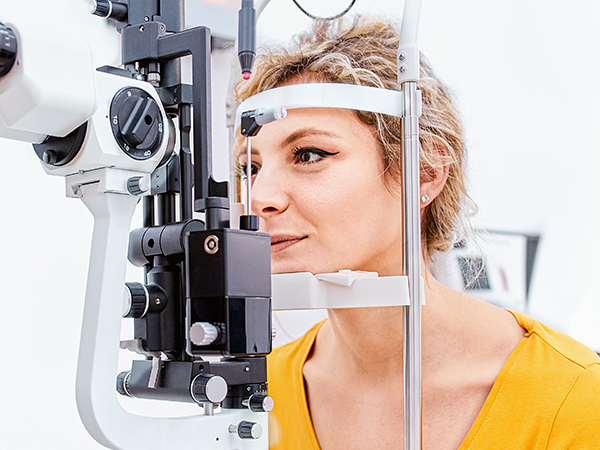
Macular degeneration, particularly age-related macular degeneration (AMD), is one of the leading causes of vision loss in older adults. But many people wonder, is macular degeneration hereditary? The answer lies in your DNA as much as in your daily lifestyle. While genes play a key role in determining your risk, environmental and health factors also influence how the condition develops over time.
Understanding whether macular degeneration is inherited from your mother or father can help you take preventive action early. Eye specialists now recognize that certain gene mutations, especially those affecting the complement system may increase the risk of retinal cell damage, drusen formation, and degeneration of the macula. Let’s explore how your genes, lifestyle, and preventive care all work together in this complex eye condition.
What Is Macular Degeneration?
Macular degeneration is a degenerative molecular disease that gradually damages the macula, the part of the retina responsible for central vision and fine detail. It leads to the deterioration of light-sensitive retinal cells, resulting in blurred, distorted, or dark areas in your field of vision. This condition can make daily activities like reading, recognizing faces, or driving increasingly difficult over time.
There are two primary types of age-related macular degeneration (AMD), each affecting the retina differently and progressing at varying speeds. Understanding both helps in recognizing early warning signs and managing the disease effectively.
Dry AMD
Dry AMD is the most common form of macular degeneration, accounting for nearly 80–90% of cases. According to the American Academy of Ophthalmology (AAO), this form is quite common; about 80 percent (8 out of 10) of people who have AMD are affected by the dry type. It develops gradually as drusen deposits tiny yellow protein and lipid clusters build up beneath the retina. These deposits interfere with the macula’s ability to function properly, leading to slow but progressive vision loss. Early detection through regular eye exams is key to slowing its progression.
Wet AMD
Wet AMD is the more advanced and severe form of macular degeneration. It occurs when abnormal blood vessels grow under the retina and leak fluid or blood, damaging the macula’s structure. This can cause sudden and significant vision changes, such as wavy or dark central vision. Without prompt treatment, wet AMD can lead to rapid vision loss making early intervention crucial for preserving sight.
To learn more about how these two types differ, check out our blog on the difference between wet and dry macular degeneration.
Is Macular Degeneration Hereditary?
Yes, macular degeneration can be hereditary. Studies show that genetic risk factors for AMD play a major role in who develops the disease. People with a family history of macular degeneration are significantly more likely to be affected, particularly if a close relative, like a parent or sibling, has been diagnosed.
Specific genes located on chromosome 1 and chromosome 10 such as the ARMS2/HTRA1 gene complex, Complement Factor H, and Factor B have been linked to increased AMD susceptibility. Variations in these genes can disrupt the complement cascade, a part of the immune system responsible for inflammation control, which can lead to retinal cell damage and vision loss.
Common AMD-related genes include:
- ARMS2 and HTRA1 gene mutations
- Complement Factor H (CFH) and Complement Factor B (CFB)
- Complement C3 gene
- PLEKHA1 and LOC387715
These mutations don’t guarantee you’ll develop AMD; they simply elevate your risk, especially when combined with environmental triggers.
Is Macular Degeneration Inherited from Mother or Father?
When people ask, “is macular degeneration inherited from mother or father?”, the answer is that it can come from either parent. The inheritance pattern depends on which AMD genes are passed down. Both maternal and paternal lines can contribute to the macular degeneration hereditary risk.
Research shows:
- Mutations in ARMS2 or HTRA1 on chromosome 10 can be inherited from either parent.
- A history of mother AMD or familial drusen increases the likelihood of developing early AMD signs.
- The Complement Factor H gene (chromosome 1) from either parent can disrupt immune system proteins that protect retinal cells.
Genetic Risk Factors for AMD
Genetic predisposition plays a major role in age-related macular degeneration (AMD), but it’s not the only factor influencing disease progression. Variations in genes such as ARMS2, HTRA1, and CFH can make certain individuals more vulnerable to retinal cell damage and drusen formation.
However, these genetic risks often combine with environmental and lifestyle influences amplifying the chances of developing AMD. Recognizing these AMD risk factors can help you take preventive steps to protect your vision.
Major risk amplifiers include:
- Smoking: Significantly increases oxidative stress on retinal cells.
- High blood pressure and high cholesterol: Restrict blood flow to the retina.
- Diabetes and diabetic retinopathy: Damage small blood vessels in the eyes.
- Obesity and poor diet: Contribute to drusen formation and chronic inflammation.
Genetic Testing for AMD
Modern DNA sequencing technology allows for genetic testing for macular degeneration, helping identify at-risk individuals even before symptoms appear. Genetic panels can detect mutations in the CFH, ARMS2, HTRA1, and C3 genes, among others, giving patients a clearer understanding of their genetic profile.
Advancements include:
- Gene therapy for AMD: Ongoing research focuses on correcting defective genes that cause retinal damage.
- AREDS 2 supplements: Clinically proven to slow AMD progression with antioxidants and omega-3 fatty acids.
- Lifestyle interventions: A healthy diet for vision rich in leafy greens and fatty fish like salmon, sardines, and tuna supports retinal health.
- Smoking cessation: Reduces oxidative stress and supports long-term eye protection.
Can You Prevent Hereditary Macular Degeneration?
Although you can’t change your genes, you can significantly lower your risk of AMD through proactive lifestyle and health choices. Managing factors such as diet, blood pressure, and overall wellness plays a vital role in slowing disease progression and protecting vision. By combining genetic awareness with consistent preventive eye care, you can minimize the effects of inherited risks and maintain healthy eyesight for years to come.
Protective steps include:
- Eating a balanced diet rich in antioxidants and omega-3 fatty acids.
- Controlling blood pressure, cholesterol, and blood sugar to support retinal health.
- Avoiding smoking and excessive alcohol use to reduce oxidative stress.
- Wearing sunglasses to protect your eyes from harmful UV rays.
- Scheduling regular eye exams to detect early signs and track any changes.
Know Your Genetic Risk, Protect Your Vision
If you’ve ever asked, “is macular degeneration hereditary?” The answer is yes, but it’s not inevitable. Knowing your genetic predisposition empowers you to make informed lifestyle choices that can delay or even prevent AMD progression.
Stay proactive with regular eye exams, balanced nutrition, and professional guidance. Understanding your genes today means protecting your sight tomorrow. At Vision Gallery, our experienced eye care specialists are dedicated to helping you detect early signs of macular degeneration and manage your eye health through advanced diagnostic technology and personalized care. Don’t wait until symptoms progress, schedule your macular degeneration exam today and take control of your vision.
Call 281-398-4000 or book your appointment online today!